Discover
Bray-Dunes
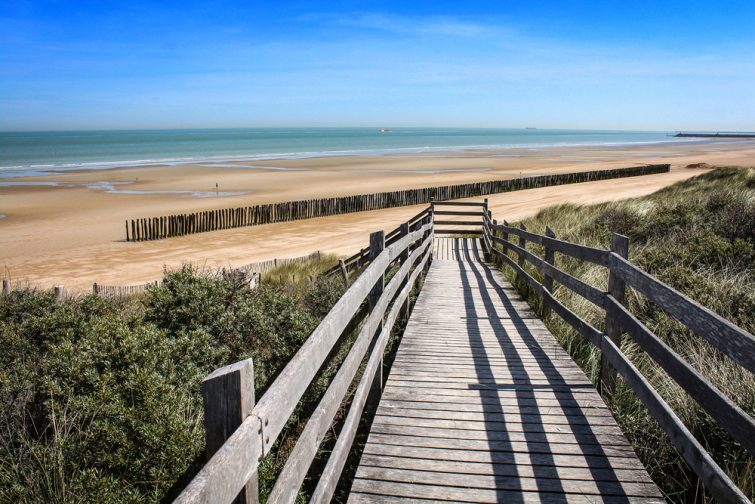
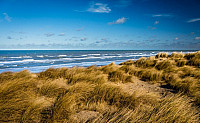 Impossible to visit the Opal Coast without going to Bray-Dunes! It would be to miss the beautiful National Nature Reserves of the Dune Marchand and the Perroquet, which offer a sumptuous setting.
But what makes Bray-Dunes unique is its geographical location. Indeed, here you are on the northernmost point of France (metropolis & DOM-TOM included). And since it is advisable to sleep in the north, this may be the perfect place to take your vacation rental on the Opal Coast.
Photo credit: Shutterstock – Jens Deppner
Musée portuaire de Dunkerque
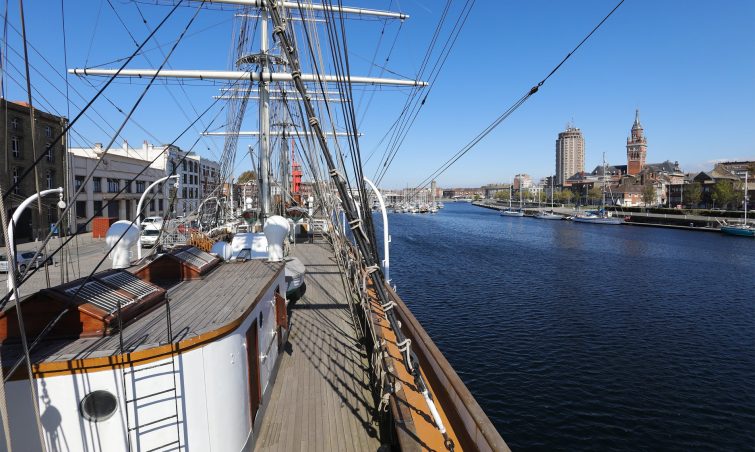
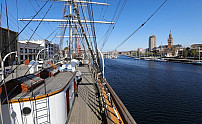 In the heart of the historic Citadel district, the Dunkirk Port Museum will appeal to children as well as navigation enthusiasts. You will embark on a journey of four centuries through more than 500 works (models, videos, paintings etc.).
You will learn how a port works and discover how the Dunkirks sailed on all the seas of the globe. Opposite the museum, you can visit exceptional boats such as the three-masted Duchesse-Anne, the largest visitable sailboat in France, or the lightship Sandettié, both classified as Historic Monuments. An unmissable stop to make if you are fascinated by nautical life. End your visit by the Risban lighthouse from where you will enjoy a panorama of the city, the port and the sea.
Photo credit: Facebook – Dunkirk Port Museum
Calais
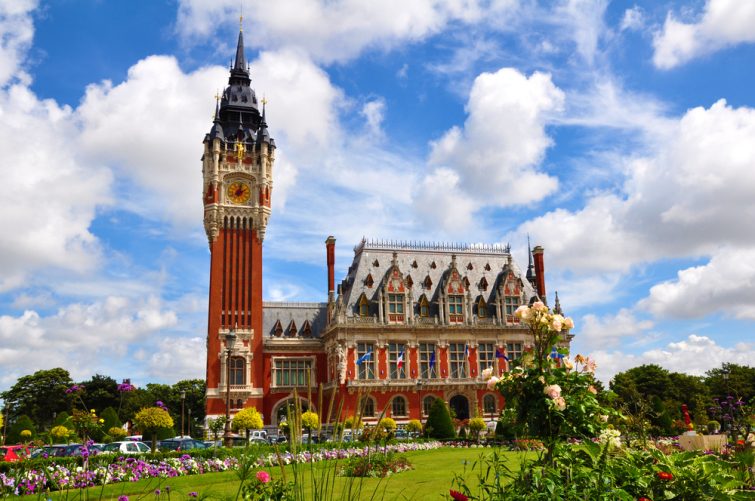
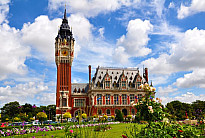 To discover this port city, a crossing point to England, start by visiting the Town Hall and its belfry, listed as a UNESCO World Heritage Site. Take the time to take a break in the Richelieu Park and discover the Museum of Fine Arts, where you can admire the work of Auguste Renoir in a dedicated room. If you have a few hours ahead of you, stroll around the square d'Armes, stroll along the seafront, climb to the top of the lighthouse and immerse yourself in the lace-making past of Calais by visiting the International City of Lace and Fashion (approximately 1h45).
Marais Audomarois
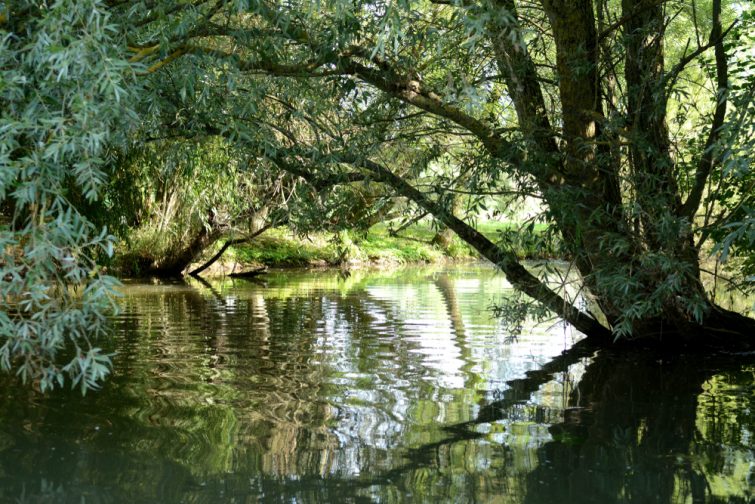
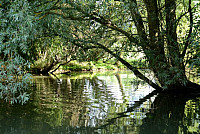 40 minutes from Calais, the Marais Audomarois is one of the must-see places to visit on the Opal Coast. This labyrinth of water and nature is a unique site that extends over more than 3,700 hectares. It is the last marsh of such importance still cultivated today.
To explore these idyllic landscapes, the ideal is to opt for a boat trip on the waterways. Hiking trails also allow you to enjoy this lush vegetation.
Photo credit: Shutterstock – Photo-Graphia
La réserve naturelle du platier d’Oye
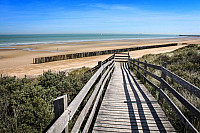 The Oye flat is both a polder and an ornithological reserve. Each year, birds (about 230 species) stop over on the site during their winter migration. Its flora is also fascinating, since there are more than 300 different species. Today, the 391 hectares of the reserve are protected in order to preserve this exceptional fauna and flora. However, it is possible to visit the site. A 3.80 km loop facilitates this visit, with several observatories along the route. It is also accessible to people with reduced mobility.
Photo credit: Shutterstock – MisterStock
Le site des Deux-Caps
Cap Blanc-Nez
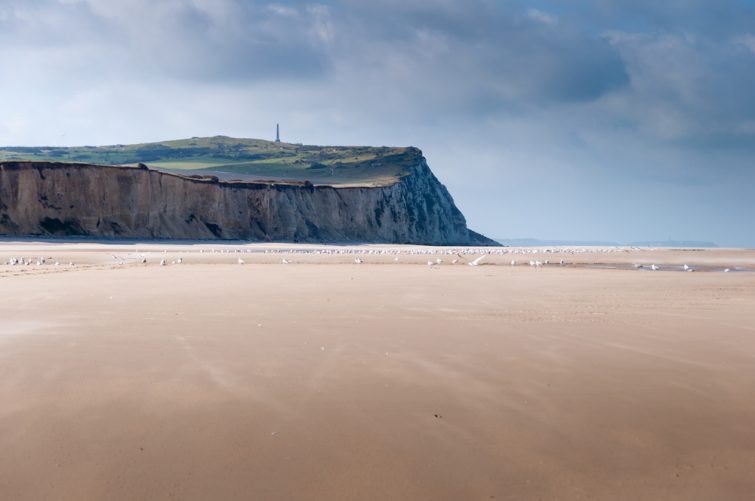
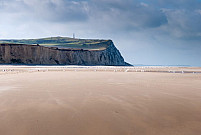 A veritable balcony over the sea, Cap Blanc-Nez forms with Cap Gris-Nez one of the 13 major national tourist sites labeled "Grand Site de France". With its chalk cliffs flowing into the sea, Cap Blanc-Nez is one of the jewels of the Opal Coast which attracts many tourists each year. This natural site is ideal for hiking on the upper part of the cliffs. The “Cap Blanc-Nez loop” circuit offers a 6.5 km route to the north, towards Sangatte.
Photo credit: Shutterstock – Pixavril
Cap Gris-Nez
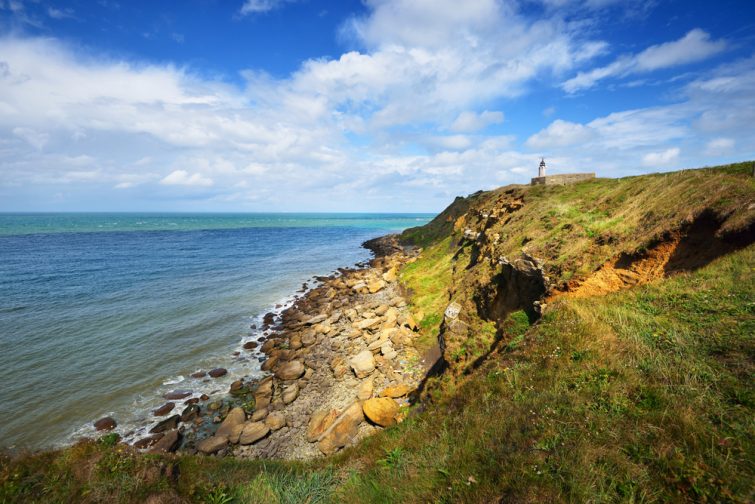
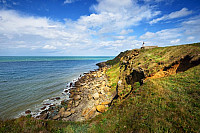 Cap Gris-Nez is distinguished by its sandstone and clay cliffs and its lighthouse listed as a Historic Monument. It is the closest point on the French coast to England. Just that. Many marked trails allow you to admire the site, including:
- The Cap Gris-Nez loop. A path of about 3km;
- And the GR120 hiking trail. Also called the coastal path, it is located between the two Capes.
Wissant
Photo credit: Shutterstock – RobArt Photo
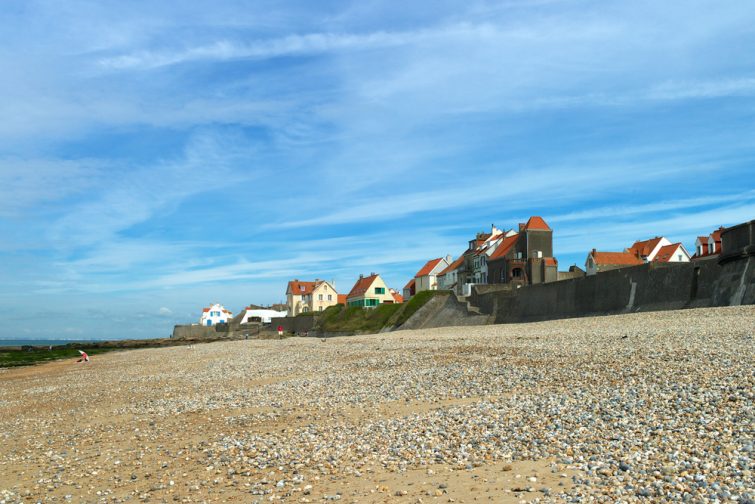
Halfway between Cap Blanc-Nez and Cap Gris-Nez, this picturesque fishing village became a holiday resort at the end of the 19th century. The village has kept its charm of yesteryear with its traditional fishermen's houses. Its 12 km long beach will delight walkers and swimmers. The bay, very exposed to the winds, is also very popular with kitesurfers.
Otherwise, the Moulin Museum is also a curiosity not to be missed in Wissant. For those who want to take a short hike, head for the Fartz trail. The latter forms a 5.6 km loop from the Wissant Tourist Office.
Slack Dunes
Between Wimereux and Ambleteuse, on the land of Deux-Caps, the Slack Dunes are one of the essential walks to do on the Opal Coast. For an exotic walk between ponds, dunes, beaches and pine forest, take one of these two paths:
- The Baie Saint Jean loop, departing from Wimereux (4 hours);
- Or the Slack circuit, starting from the Pointe aux Oies car park (2h30).
A walk in the fresh air to do with the children who can collect shells and pine cones. Then make a stop in the village of Ambleteuse to visit its fort. The wall dates from the 17th century and is one of the works of Vauban.
Audresselles
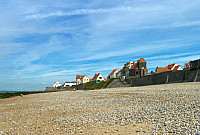 This fishing village of some 660 souls is one of the most visited on the Côte d'Opale. Its streets lined with low houses with colorful shutters give it a unique cachet.
On the fishing trails, panels evoke the past of the village and its traditions. On the beach, you can indulge in the joys of swimming and shore fishing and watch the return of the fishermen at nightfall.
Walkers will not be left out with many marked hiking trails. A 3-hour walk will take you along the cliffs between Audresselles to Cap Gris Nez where you can admire the view of the English coast.
Photo credit: Shutterstock – Rudy Mareel
Wimereux
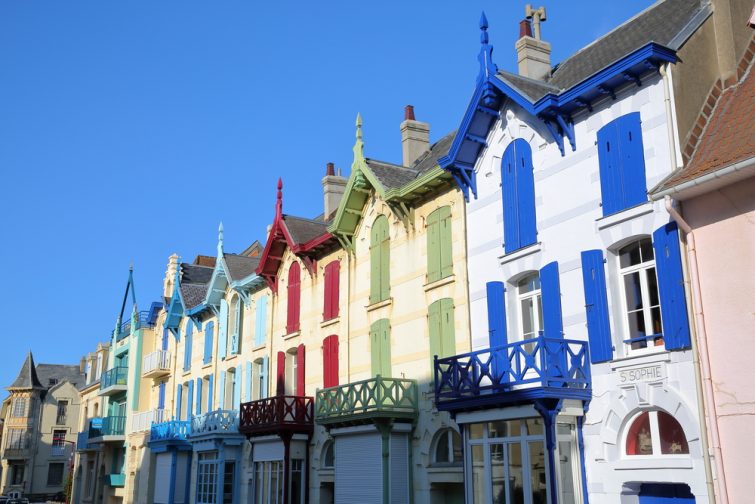
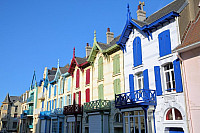 A charming seaside resort on the Opal Coast, located 7 km north of Boulogne-sur-Mer, Wimereux is a popular vacation spot for families and tourists from Northern Europe.
It is characterized by a pretty seafront as well as many Anglo-Norman style houses dating from the Belle Epoque.
Photo credit: Shutterstock – Christophe Cappelli
Boulogne-sur-Mer
The old town and the port
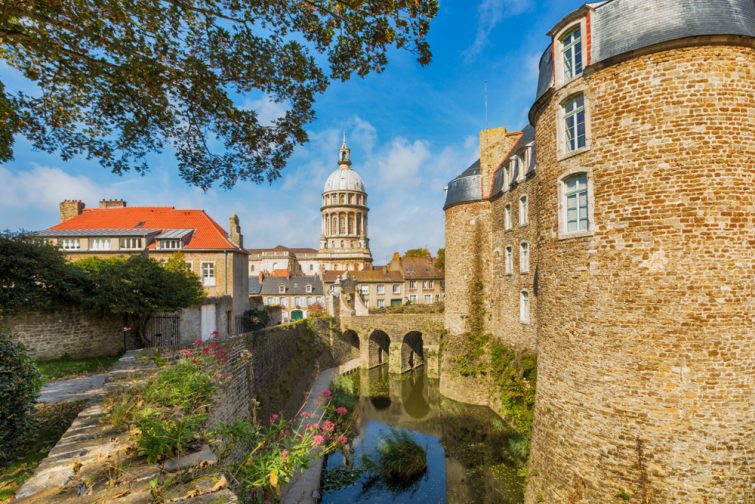
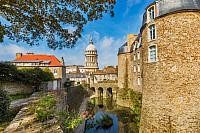 Boulogne-sur-Mer is relatively unknown to French tourists. However, the city benefits from a magnificent heritage. To find out for sure, just go to the old town.
When you pass in front of the ramparts, you quickly understand that Vieux-Boulogne is essentially medieval. This impression is confirmed later, with the castle and then the belfry, both dating from the 13th century.
You will also find more contemporary treasures, such as the splendid Basilica of Notre-Dame-de-l'Immaculée-Conception, but also the Imperial Palace (also called Hôtel Désandrouin).
Finally, leave the old town to reach the port. The latter is located in a strategic location, near the Pas de Calais, the busiest strait in the world. Moreover, the port of Boulogne-sur-Mer is none other than the first fishing port in the country. Do not miss to pass by, both for its history and to enjoy the tranquility of the place.
Photo credit: Shutterstock – Oliver Hoffmann
Château d’Hardelot
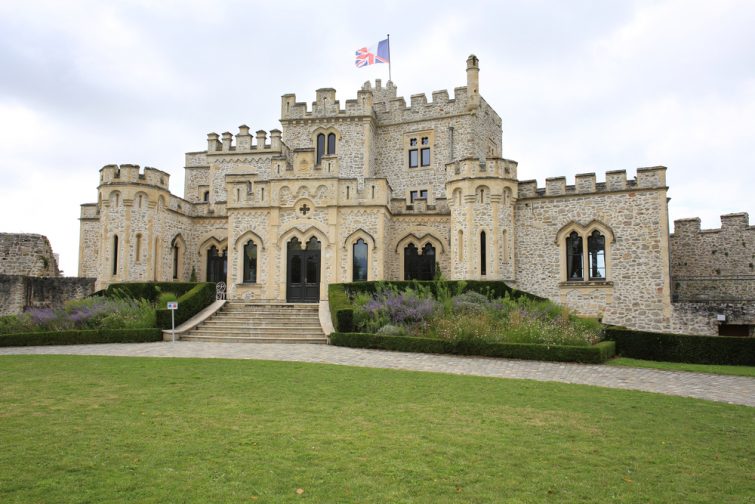
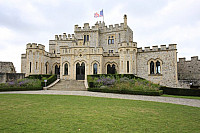 On the land side, immerse yourself in a Charles Dickens tale by discovering this superb 19th century castle, located in Condette. Indeed, the author used to come to Condettes to find inspiration and rest there.
You can take the self-guided or guided tour then stroll through the English Gardens and the Renaissance Gardens. Do not miss the walk around the lake of mirrors.
Photo credit: Shutterstock – Traveller70
Le Touquet
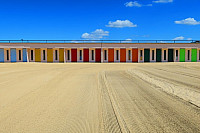 Sometimes nicknamed the "Nice of the North", Le Touquet or Le Touquet-Paris-Plage is the most famous seaside resort in the Nord-Pas-de-Calais region. It is renowned for its 12 kilometer long beach which extends to Berck-sur-Mer as well as its Art Deco facades.
The station has created a Historical Route which allows visitors to discover 31 emblematic sites of its architectural heritage and its history, twenty of which are listed in the Inventory of Historic Monuments. are passing through Le Touquet: the Baie de Canche Natural Park. It is a 45-hectare nature reserve that can be explored on foot or by bike. With a bit of luck, you might spot a few seals at low tide!
Photo credit: Shutterstock – sofifoto
Montreuil-sur-Mer
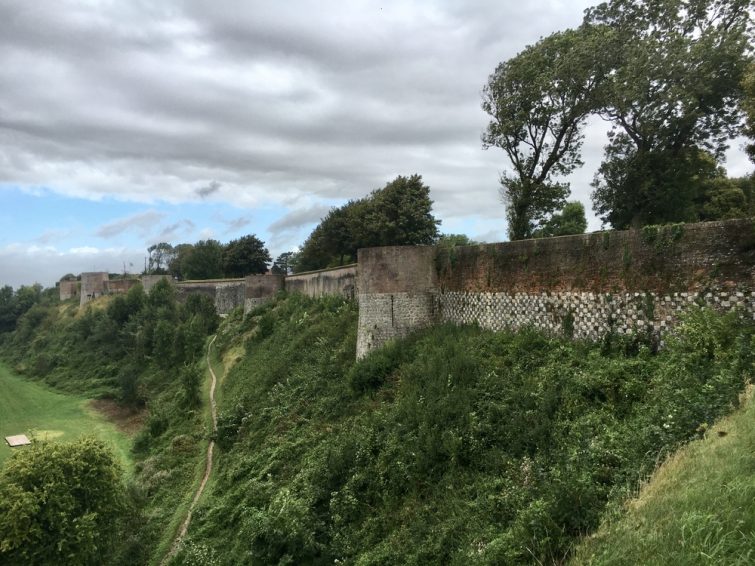
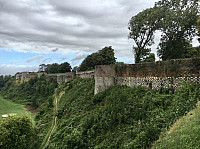 This pretty fortified city, classified as a 4-star flowered city, is not located by the sea (despite its name!). 17 km from Le Touquet, it owes its charm to its exceptional heritage: its ramparts, its typical low houses, its picturesque streets, its 16th century citadel, its 12th century abbey, its Hôtel Dieu and its chapel and its private mansions. sound and light show “Les Miserables in Montreuil-sur-Mer”.
Photo credit: Shutterstock – Iris Hankin
La Baie d’Authie
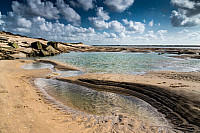 Located between the Somme and the Nord-Pas-de Calais, the Bay of Authie is a place to visit when you go to Berck-sur-Mer. This little natural gem is home to atypical flora and fauna. At low tide, you can meet seals and sea calves on the sandbar. The Baie d’Authie dune path (1.6 km loop) will offer you an exceptional view of the bay from the belvedere.
Photo credit: Shutterstock – LOUIS-MICHEL DESERT


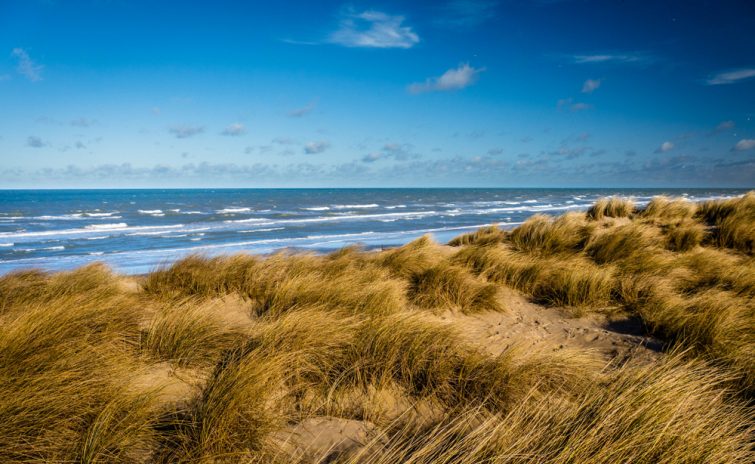 Impossible to visit the Opal Coast without going to Bray-Dunes! It would be to miss the beautiful National Nature Reserves of the Dune Marchand and the Perroquet, which offer a sumptuous setting.